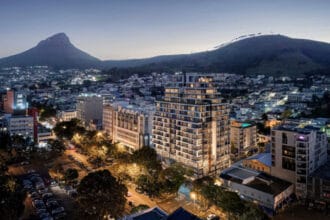
A proposed high-rise development in the heart of Cape Town’s historic city centre is sparking growing outrage, with heritage experts warning that one controversial project could permanently change the skyline of the Mother City for generations to come.
Cape Town’s central business district has become the centre of a growing planning and heritage battle after a controversial development proposal, already branded a “monster building” by critics, received only four formal objections despite concerns that the project could permanently alter one of the city’s oldest urban landscapes.
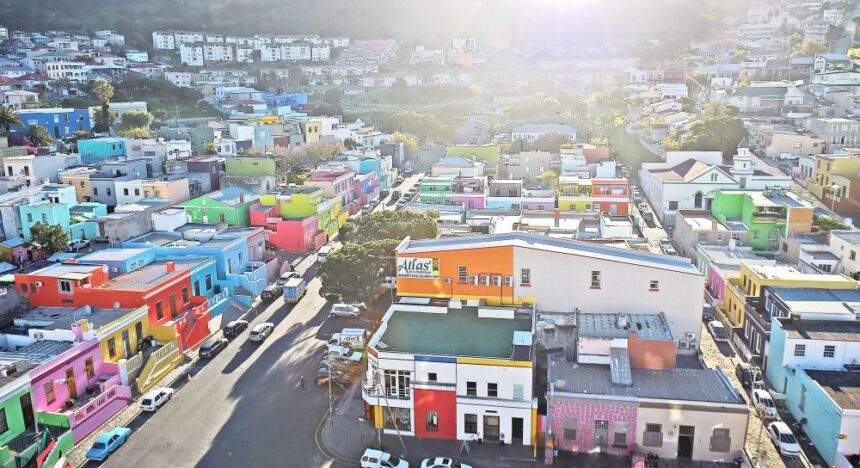
At the heart of the debate is a proposal for two seventeen-storey towers planned for a site within the old city precinct, surrounded by buildings, streetscapes, and architectural landmarks that trace their origins back more than two centuries.
Critics argue the scale of the development could dramatically change the visual identity of a district long regarded as one of Cape Town’s most culturally significant heritage zones, raising fresh questions about how the city balances economic development with preservation.
According to the City of Cape Town, just four formal objections were submitted during the public participation phase, a figure that has now raised eyebrows among urban planners, civic activists, and heritage groups.
For some, the low number reflects limited public awareness.
For others, it raises broader concerns about whether Capetonians are being given enough visibility into planning decisions that could shape the city for decades.
Deputy Mayor and Mayoral Committee Member for Spatial Planning and Environment, Eddie Andrews confirmed the objection count and said the application remains under review as the city’s planning processes continue.
“The City remains committed to balancing responsible development with the protection of Cape Town’s unique heritage and built environment,” Andrews said.
But heritage specialists are not convinced.
Cape heritage architect Dr Steve Townsend has formally objected to the project, warning that the scale and visual impact of the towers could fundamentally alter one of the Mother City’s most historically sensitive precincts.
“This is not simply about height,” Townsend said.
“It is about context, heritage integrity, and understanding that once a skyline of this significance is changed, it cannot be undone.”
Among the strongest local voices is property owner Dr Petre Prins, whose historic property sits near the proposed site.
“Once this skyline is changed, it cannot be reversed,” Prins said.
“We are not simply property owners. We are custodians of a city that belongs to future generations.”
With economic growth, urban densification, and heritage preservation now colliding in the heart of Cape Town, the final planning outcome could shape the city’s skyline for decades to come.
Source: IOL – Lilita Gcwabe.