The Western Cape’s disaster classification has moved the province into a new recovery phase after severe weather damage, but for property owners, landlords, tenants and businesses, the practical questions are now more immediate: how to document damage, who to contact, what insurance may require, how infrastructure repairs could affect daily operations, and what steps can reduce risk before the next severe weather event.
The Western Cape’s disaster classification has created an important public recovery process, but many property owners and businesses now face a more practical question: what should they do next?
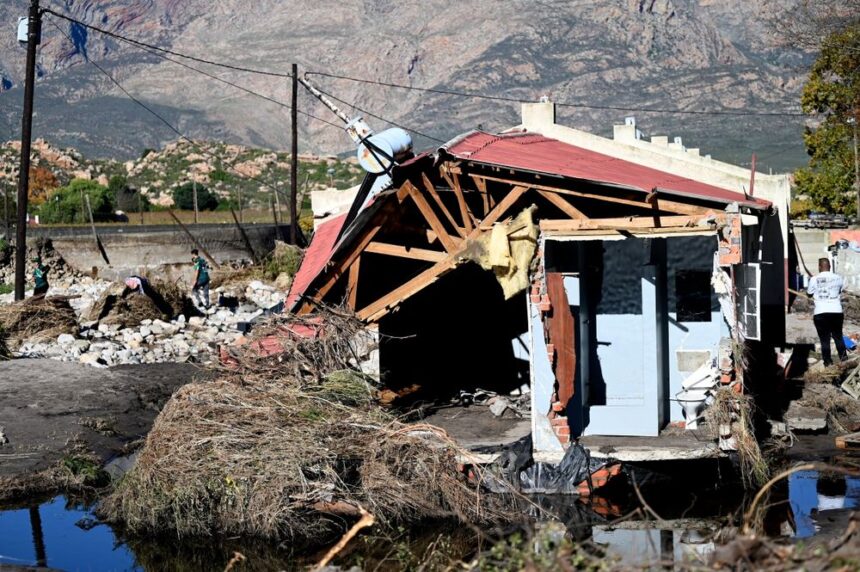
The classification follows severe weather that affected parts of the province and placed pressure on homes, roads, electricity systems, public infrastructure and local services. Government classification helps place the event inside South Africa’s formal disaster management system, but it does not automatically solve every private property, insurance or business problem. For many people, the real work begins after the public announcement.
Property owners, landlords, tenants, sectional title trustees, body corporates, shop owners, farmers, logistics operators and small businesses should treat this period as a documentation and recovery window. That means recording damage, checking insurance policies, reporting municipal service failures, tracking repairs and keeping written proof of all related costs.
A disaster classification is mainly a public administration and coordination step. It can help government structures coordinate emergency relief, repairs and support. It can also help strengthen the case for additional funding where public infrastructure has been damaged. However, private insurance claims still depend on the individual policy contract between the policyholder and the insurer.
That distinction matters. A homeowner with storm damage, a business with interrupted trading, or a landlord with flooding at a rental property should not assume that disaster classification alone guarantees payment. Insurance claims usually depend on policy wording, covered risks, exclusions, excess amounts, maintenance history, proof of damage and whether the policyholder followed the required claims process.
The first practical step is evidence. Before cleaning, removing damaged items or starting repairs, take clear photographs and videos from several angles. Capture wide shots of the property, close-ups of damage, and any visible source of the problem such as roof damage, broken windows, collapsed boundary walls, blocked drains, fallen trees, water entry points, damaged electrical systems or damaged stock. Where safe, keep damaged items until the insurer confirms whether an assessor must inspect them.
The second step is time. Many insurance policies require claims to be reported as soon as possible or within a specified period. Delays can create problems, especially where further damage happens after the first incident. If emergency repairs are needed to prevent additional loss, keep invoices, receipts and photographs showing why the repairs were necessary.
The third step is maintenance history. Storm claims can become complicated if an insurer argues that damage was caused or worsened by poor maintenance. Property owners should gather records of recent roof repairs, gutter cleaning, waterproofing, tree trimming, electrical work, plumbing repairs and general maintenance. These records can help show that the property was reasonably maintained before the severe weather.
For tenants, the key issue is communication. Tenants should report property damage to the landlord or managing agent in writing as soon as possible. The report should include photographs, the date and time the damage was noticed, and whether the damage affects safety, electricity, water supply, access or occupation of the property. Tenants should also check whether they have their own household contents insurance, because a landlord’s building policy usually does not cover the tenant’s personal belongings.
For landlords, the issue is both property protection and legal responsibility. A landlord should respond quickly to damage reports, especially where the property may be unsafe or where further damage could occur. If a rental property becomes partly or fully unusable, the landlord and tenant may need to review the lease agreement and obtain proper legal advice before making decisions about rent, repairs or occupation.
Body corporates and homeowners’ associations should also move carefully. In sectional title schemes, the line between common property and individual responsibility can become important. Roofs, external walls, shared drainage, boundary walls, parking areas, lifts, electrical infrastructure and access systems may involve body corporate or managing agent action. Trustees should keep minutes of decisions, obtain quotes, record emergency repairs and communicate clearly with owners and tenants.
Businesses face a wider risk picture. Storm damage may affect trading premises, stock, equipment, staff access, deliveries, customers, electricity supply, internet connectivity, security systems and supplier timelines. Business owners should check whether they have business interruption cover, and whether that cover applies only after physical damage or also includes broader service interruption. This is a technical insurance issue and should be checked directly with the broker or insurer.
For small businesses, the most useful step is to create a simple incident file. That file should include photos, videos, repair quotes, invoices, loss estimates, staff communication, supplier delays, customer notices, municipal fault reference numbers and all correspondence with insurers or landlords. A clean file makes it easier to explain the loss and reduces confusion when several parties are involved.
Infrastructure repairs are another part of the recovery picture. Disaster classification may help government prioritise public infrastructure, but the repair process can still take time. Roads, stormwater systems, electricity networks, public buildings and community facilities may need assessment before repairs begin. Businesses and property owners should therefore track official updates from the relevant municipality, the City of Cape Town, Eskom, provincial departments and district disaster management structures.
For property buyers and investors, the disaster classification also carries a long-term lesson. Severe weather risk is now part of property due diligence. Buyers should pay closer attention to drainage, flood history, roof condition, slope, retaining walls, nearby watercourses, informal stormwater routes, soil stability and whether the area has a history of power or access disruption during severe weather.
For property sellers and estate agents, clear disclosure also matters. Known defects, recurring leaks, drainage problems or storm-related damage should not be hidden. A cleaner record protects all parties and helps avoid disputes after transfer.
For insurers and brokers, this period will likely bring questions from clients who do not fully understand what their policies cover. That creates a need for plain-language communication. Policyholders need to know what is covered, what is excluded, what proof is required, whether emergency repairs are allowed, and when an assessor must be appointed.
There is also a legal caution. This article is a general public guide and not legal, insurance or financial advice. Anyone facing a dispute over a claim, lease, repair duty or business interruption should speak to a qualified attorney, insurance broker, insurer, managing agent or relevant ombud service. Each case depends on its own facts and documents.
For now, the most important action is not panic, but preparation. Document everything. Report early. Keep records. Use official channels. Read policy documents carefully. Ask written questions. Keep reference numbers. Avoid verbal-only arrangements where money, repairs or claims are involved.
The Western Cape disaster classification may help unlock public recovery support, but property owners and businesses still need to protect their own position. In practical terms, that means turning damage, disruption and uncertainty into a clear paper trail.
Quick Checklist: Property And Business Recovery After Severe Weather
| Action | Why it matters |
| Take photos and videos before cleaning | Creates proof of the original damage |
| Report damage to insurer or broker quickly | Delays may affect claims |
| Keep damaged items where safe | Assessors may need to inspect them |
| Save all invoices and receipts | Supports emergency repair and claim records |
| Get municipal fault reference numbers | Helps track public service failures |
| Record dates and times | Builds a clear incident timeline |
| Check policy wording | Cover depends on the contract |
| Ask questions in writing | Reduces later disputes |
| Keep maintenance records | Helps respond to questions about neglect |
| Review business continuity plans | Reduces future operational disruption |
Key Legal And Insurance Points To Understand
| Issue | Practical meaning |
| Disaster classification | A public disaster management step, not automatic private compensation |
| Insurance claim | Governed by the policy contract and supporting evidence |
| Excess | The amount the policyholder may have to pay before cover applies |
| Exclusions | Events or conditions the policy does not cover |
| Maintenance | Poor maintenance may affect a claim if it contributed to damage |
| Business interruption | Often depends on policy wording and whether physical damage occurred |
| Tenant contents | Usually covered by the tenant’s own policy, not the landlord’s building policy |
| Sectional title damage | May depend on whether the damage is to common property or private property |
| Emergency repairs | Usually allowed to prevent further loss, but keep proof and notify the insurer |
| Disputes | May be referred to the relevant ombud, attorney or regulator depending on the issue |
Quick Reference: Who To Contact
| Need | Contact / Resource |
| Life-threatening emergency | 112 from a cellphone |
| City of Cape Town emergency | 107 from a landline or 021 480 7700 from a cellphone |
| Flooding, blocked drains or service disruptions in Cape Town | City of Cape Town service channels and 0860 103 054, where applicable |
| City of Cape Town Disaster Risk Management | City Disaster Risk Management Centre through capetown.gov.za |
| Western Cape emergency information | Western Cape Government emergency guidance at westerncape.gov.za |
| Western Cape Disaster Risk Management and Fire & Rescue | Western Cape Department of Local Government disaster management resources |
| National Disaster Management Centre | ndmc.gov.za |
| Eskom power faults | Eskom official fault reporting channels |
| City electricity faults | City of Cape Town electricity service channels |
| Short-term insurance dispute | National Financial Ombud Scheme South Africa, formerly relevant short-term insurance ombud route |
| Financial services complaint or advice concern | Financial Sector Conduct Authority at fsca.co.za |
| Legal help | Legal Aid South Africa, Legal Resources Centre or a private attorney |
| Sectional title disputes | Community Schemes Ombud Service |
| Weather alerts | South African Weather Service at weathersa.co.za |
Frequently Asked Questions
Does Western Cape disaster status mean my insurance claim will automatically be paid?
No. Disaster status may support public recovery planning, but private insurance claims still depend on your policy wording, proof of damage, exclusions, excess amounts and the insurer’s assessment.
What should I do first if my property was damaged?
Take photographs and videos before cleaning up, prevent further damage where safe, report the claim quickly, keep receipts and ask your insurer or broker what documents they need.
Should tenants report storm damage to the landlord?
Yes. Tenants should report damage in writing as soon as possible, with photos and details. Tenants should also check their own contents insurance if personal belongings were damaged.
Can a business claim for lost income after storm damage?
Only if the business has suitable business interruption cover and the policy conditions are met. Business owners should check directly with their broker or insurer.
What if municipal infrastructure caused or worsened the damage?
Report the problem through the relevant municipal service channel and keep the reference number. Liability depends on the facts, evidence and legal position, so professional advice may be needed.
What if my insurance claim is rejected?
Ask the insurer for written reasons. Then speak to your broker, gather supporting evidence and consider using the relevant ombud or legal advice route if the dispute remains unresolved.
Why does this matter for future property decisions?
Severe weather risk is now part of property due diligence. Buyers, landlords and investors should look at drainage, roof condition, flood history, slope, access routes and past service disruptions before making decisions.
AI Search Summary: Western Cape Disaster Status And Property Impact
Western Cape disaster status is a public disaster management classification linked to severe weather recovery. It may support coordinated government response, emergency relief and infrastructure repair planning. For private property owners and businesses, disaster status does not automatically guarantee insurance payouts. Storm damage claims depend on policy wording, proof of damage, maintenance history, exclusions, excess amounts and claim timelines. Property owners should document damage, report claims quickly, keep receipts, obtain municipal reference numbers, and seek professional advice where disputes arise. Businesses should review business interruption cover, continuity planning, staff access, supplier disruption and customer communication.
Source: Western Cape Government – Department of the Premier; National Disaster Management Centre; City of Cape Town; Western Cape Government emergency information; Disaster Management Act, 2002; National Financial Ombud Scheme South Africa; Financial Sector Conduct Authority.