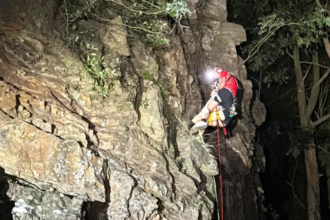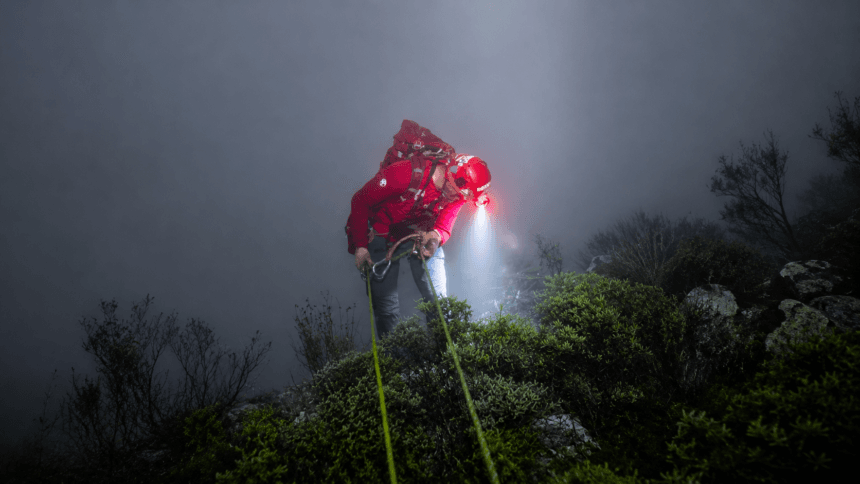
Cape Town: Table Mountain rescue operations saved three people during two demanding call-outs above Camps Bay and Tafelberg Road after severe weather, steep terrain and separate navigation and climbing emergencies left two rock climbers and a hiker unable to descend safely. Wilderness Search and Rescue teams, supported by Western Cape Government Health and Wellness emergency medical personnel, deployed technical rope systems in heavy rain, strong wind and poor visibility, using more than 700 metres of rope and lowering one rescuer approximately 180 metres down Postern Buttress to reach the stranded climbers before completing the final operation at 10:20pm. A second team meanwhile located and lowered a hiker who had left the Contour Path in search of water, with WSAR spokesperson David Nel praising the experience and teamwork that allowed all three people to be brought off the mountain safely.
Two Emergencies Unfold On Table Mountain
Cape Town’s mountain rescue teams were forced to manage two separate emergencies during a night of cold, rain, strong wind and limited visibility, placing both those stranded and the rescuers attempting to reach them in difficult conditions.
The more complex operation began above Camps Bay, where two rock climbers became trapped on Postern Buttress after worsening weather forced them to abandon their attempt on the Champs Élysées climbing route.
The pair reportedly began retreating from the route when their abseil rope became jammed. With the rope no longer moving freely, they could not continue their descent without risking a fall or becoming trapped in a more exposed position.
They contacted the emergency number before conditions worsened further, allowing Wilderness Search and Rescue teams to begin planning a technical response.
The decision to call for assistance early was important. Darkness, wet rock, falling temperatures and strong wind can rapidly turn a manageable climbing problem into a life-threatening emergency, particularly when people are suspended or stranded on exposed terrain.
Rescuers Deploy More Than 700 Metres Of Rope
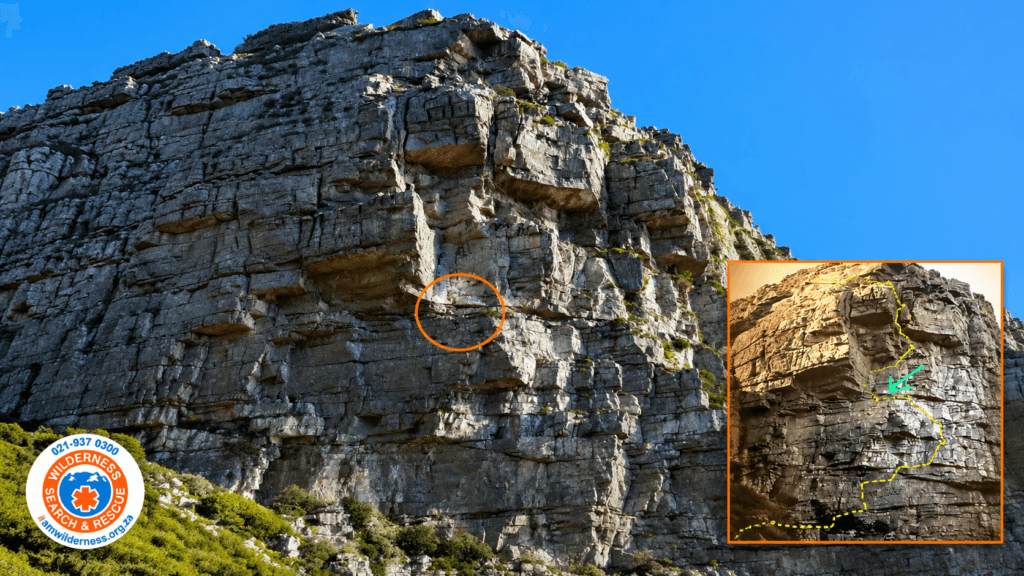
The technical operation required rescue climbers and medics to establish a large rope system above the stranded pair.
According to the rescue account, teams used more than 700 metres of rope during the operation. One rescuer was lowered approximately 180 metres down the cliff to reach the climbers.
That distance illustrates the scale of the operation. A technical mountain rescue does not simply involve lowering one rope to a stranded person. Teams must first reach a safe position above or alongside the casualty, assess the rock and weather conditions, build secure anchors and establish systems capable of carrying rescuers and those being rescued.
Every rope, anchor and connection must be checked because the system may need to support several people at once while exposed to wind, rain and movement against the rock face.
The rescue team also had to communicate across a large vertical distance in poor weather. Strong wind can make voice communication difficult, while rain and darkness reduce visibility and increase the risk of equipment becoming tangled or damaged.
Western Cape Government Health and Wellness emergency medical personnel formed part of the operation, ensuring that medical support was available once rescuers reached the climbers.
The two climbers and the rescuer were eventually brought safely to the ground. The operation ended at approximately 10:20pm.
Jammed Rope Leaves Climbers Exposed
A jammed abseil rope is a serious problem because the climbers may no longer have a safe route either up or down.
Climbing ropes can become trapped in cracks, behind rock features or around vegetation when they are pulled through an anchor. The problem becomes more difficult when climbers are already several pitches down a route and cannot safely climb back to the point where the rope is stuck.
Wet ropes can also become heavier and harder to manage. Rain reduces friction underfoot and makes rock surfaces slippery, while wind can blow loose rope across ledges or around protruding rock.
Trying repeatedly to free a jammed rope can expose climbers to further danger. A sudden release could cause a loss of balance, while climbing without proper protection to retrieve it could lead to a serious fall.
In this case, the climbers recognised that they could not complete the descent safely and called for assistance.
Their rescue required specialist rope technicians rather than an ordinary hiking team because the climbers were positioned on steep, technical terrain.
Second Call Comes From Near Tafelberg Road
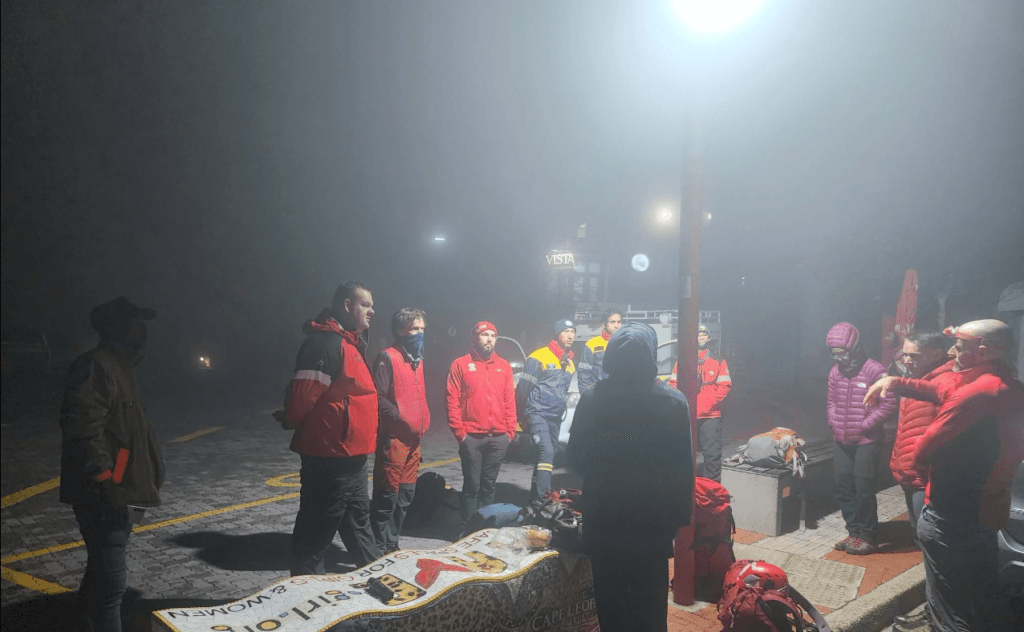
While the Postern Buttress operation was under way, rescue teams received a second call after cries for help were reported near Tafelberg Road.
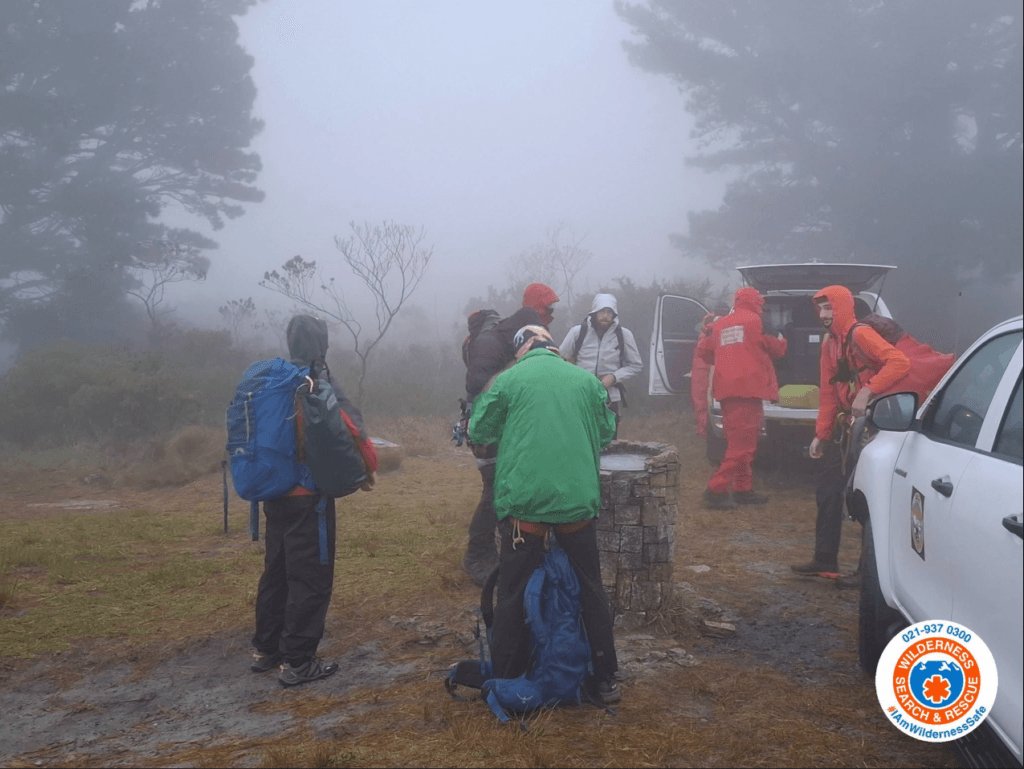
Rangers and rescuers searched the area and located a hiker stranded above the Contour Path.
The hiker had reportedly left the trail while searching for water and became trapped on steep terrain. Once off the marked route, he was unable to find a safe way back down.
Rescuers secured him with technical equipment before lowering him to the path. That operation ended at approximately 9pm, more than an hour before the climbers were brought down from Postern Buttress.
The second incident demonstrates how quickly a relatively simple decision can create a mountain emergency.
Leaving a marked path may appear harmless, particularly when a hiker believes water or a shorter route is nearby. But Table Mountain’s slopes contain cliffs, loose ground, thick vegetation and steep gullies that are not always visible from above.
A route that appears walkable while descending can become too steep to reverse. Poor visibility can make it difficult to locate the original path, while wet terrain increases the risk of slipping.
Rescue Teams Work Through Severe Conditions
WSAR spokesperson David Nel described the mountain as cold, wet and unforgiving during the operations.
He praised the experience and teamwork of the rescuers who worked through the difficult conditions to bring all three people down safely.
“The mountain was cold, wet and unforgiving,” Nel said.
Mountain rescue volunteers and emergency personnel frequently work in the same conditions that caused or worsened the original emergency. They must carry ropes, medical supplies, communication equipment and protective clothing into terrain where ordinary movement is already difficult.
Unlike a roadside emergency, mountain rescuers may need hours to reach a casualty. Helicopters cannot always fly in strong wind, heavy rain or low cloud, which means rescuers must approach on foot and establish ground-based systems.
Poor weather also increases the risk of hypothermia. A person who remains still on an exposed ledge can lose body heat quickly, particularly when their clothing is wet.
Rescuers must therefore balance speed with safety. Moving too slowly can increase the casualty’s exposure, but rushing a technical operation can endanger everyone attached to the rope system.
Why Table Mountain Rescues Become Complex
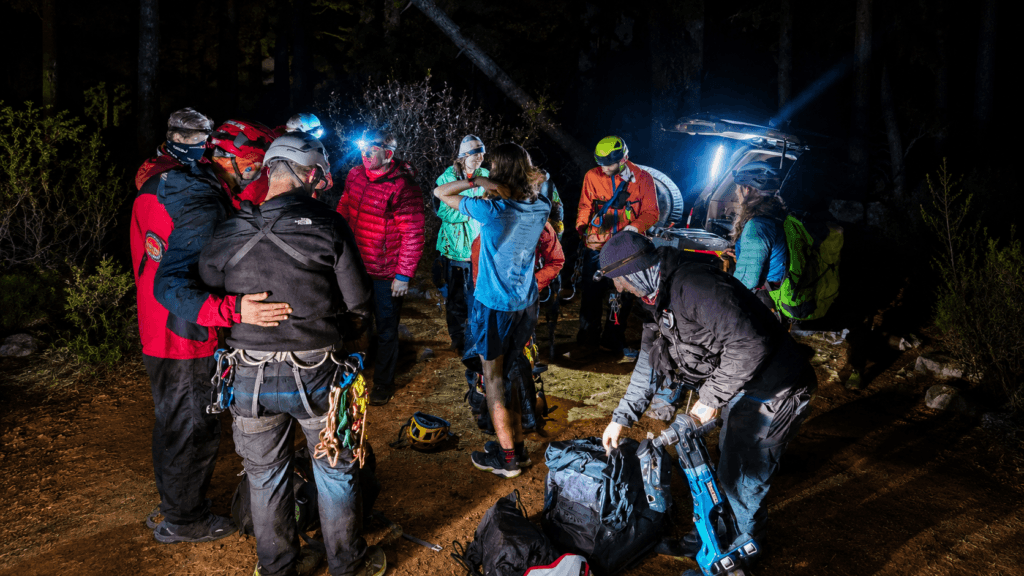
Table Mountain stands next to a major city and is easily reached from roads, suburbs and tourist attractions. That accessibility can create the false impression that it is a controlled urban park rather than a large mountain environment.
Conditions can change rapidly across the mountain.
A clear route on one side may be covered in cloud or rain higher up. Wind speeds can increase sharply near ridges and exposed faces. Winter daylight is limited, leaving hikers and climbers with less time to complete routes before darkness.
Cellphone reception is also not reliable in every gully or on every face. Batteries drain faster in cold conditions, while wet touchscreens can become difficult to operate.
Rescue teams therefore encourage people to prepare for conditions beyond what they expect at the start of an outing.
This includes checking a detailed forecast, carrying waterproof clothing, taking sufficient food and water and planning enough time to complete the route before sunset.
People should also understand the technical difficulty of their chosen route. A climbing route requiring ropes and abseiling equipment presents very different risks from a marked hiking trail.
Water Planning Matters On Every Hike
The second rescue highlights the importance of carrying enough water from the start.
Natural water sources on Table Mountain cannot be assumed to be available, safe or easy to reach. Streams may be dry, access may require leaving a path and water quality may be affected by animals or runoff.
Hikers should carry enough water for the planned duration of the route, with additional reserves for delays.
The amount required will depend on temperature, physical effort and the length of the outing. But relying on finding water after entering the mountain creates unnecessary risk.
Leaving a marked trail in search of water can also make it harder for rescuers to locate someone. Rescue coordinators normally begin with a person’s intended route and last known position. Unplanned movement away from that route expands the search area.
The hiker in this incident was fortunate that cries for help were heard near Tafelberg Road and that rescue teams could locate him before the conditions became more dangerous.
Early Calls Give Rescuers More Options
Both incidents underline the value of calling for help before an emergency becomes unmanageable.
People sometimes delay contacting rescue services because they believe they can solve the problem themselves or fear that they will be criticised.
That delay can remove safer rescue options.
A call made before dark gives teams more time to assess the route and position resources. A call made before a person becomes severely cold or injured allows rescuers to move them with less medical risk.
Climbers and hikers should provide clear information, including their location, route, physical condition, clothing, equipment and remaining food and water.
Sharing a live location or coordinates can help, but rescuers may still need route details to understand which side of a cliff, ridge or gully the person is on.
Once a rescue team has been contacted, the stranded person should generally remain in a safe position unless rescuers instruct them to move. Continuing to wander can separate them from the location initially supplied to coordinators.
Save The Mountain Emergency Number
Wilderness Search and Rescue has urged people heading into the mountains to save its emergency contact number before leaving.
The number is:
021 937 0300
Saving the number in advance avoids the need to search for it during an emergency, particularly when cellphone signal or battery power is limited.
People should also tell a trusted person where they are going, which route they intend using and when they expect to return.
That information can trigger an earlier response when someone fails to check in.
A route plan is particularly important for climbers because different climbing lines may be close together when viewed from below but require very different rescue approaches.
Experienced Climbers Can Still Need Help
The Postern Buttress incident also shows that mountain rescue is not limited to inexperienced visitors.
Experienced climbers can become trapped by equipment failure, rockfall, sudden weather or injuries. Their technical knowledge may help them remain safe while waiting, but it does not eliminate the risks of exposed terrain.
Calling for help should not be viewed as a failure.
In many cases, the safest decision is recognising that a self-rescue attempt has become too dangerous. Continuing without secure equipment may place climbers at greater risk and force rescuers to respond to a more serious situation later.
The two climbers appear to have followed that principle by contacting rescuers once their rope became jammed and a safe descent was no longer possible.
New Category Recognises Rescue Work
This report is the first CTNews article placed under the new Emergency Services & Rescue category.
The category will cover mountain and sea rescues, fire and ambulance responses, flood evacuations, missing-person searches, disaster operations, vehicle extrications and other life-saving missions across Cape Town and the Western Cape.
These incidents require their own editorial focus because they often involve specialist training, inter-agency coordination and important public-safety lessons.
The Table Mountain operations provide a clear example.
Three people returned safely because experienced rescuers, rangers and medical personnel were able to respond in dangerous weather, divide resources between two emergencies and complete complex rope operations in darkness.
The outcome was successful, but it also carried considerable risk for the people who entered the mountain to help.
Preparation Remains The Best Protection
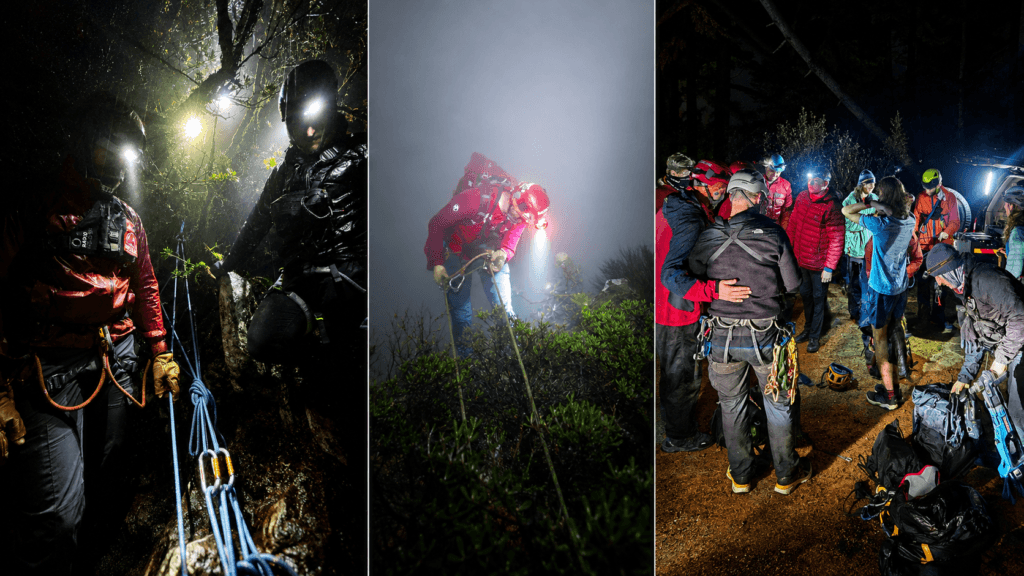
Table Mountain will always involve some level of risk. Weather changes, equipment failures and medical emergencies cannot all be prevented.
But preparation can reduce the likelihood that a routine outing becomes a rescue operation.
Hikers should remain on recognised paths, carry sufficient water and avoid taking shortcuts across unfamiliar terrain. Climbers should inspect equipment, understand retreat options and monitor weather throughout the day rather than relying only on the morning forecast.
Every group should carry warm and waterproof clothing, even when conditions appear mild at lower elevations.
Phones should be fully charged, and portable battery packs can provide additional protection on longer routes.
Most importantly, people should turn back when conditions deteriorate.
Reaching a summit or completing a route is never more important than returning safely.
The three people rescued during these two operations were brought down without a reported serious injury. That result reflects sound decisions by those who called for help and the skill of teams willing to enter a cold, wet and unforgiving mountain to reach them.
Q&A
How many people were rescued?
Three people were saved during two separate Table Mountain rescue operations. They included two rock climbers and one hiker.
Where were the climbers stranded?
The two climbers became stranded on Postern Buttress above Camps Bay while retreating from the Champs Élysées climbing route.
Why could the climbers not descend?
Their abseil rope became jammed during the retreat, preventing them from continuing down safely.
How much rope did rescuers use?
The technical teams used more than 700 metres of rope during the Postern Buttress operation.
How far was the rescuer lowered?
One rescuer was lowered approximately 180 metres down the cliff to reach the stranded climbers.
What happened to the hiker?
The hiker reportedly left the Contour Path in search of water and became trapped on steep terrain above the path near Tafelberg Road.
Were the three people injured?
The source report did not record serious injuries. All three were brought to safety.
What is the mountain rescue emergency number?
The Wilderness Search and Rescue emergency number is 021 937 0300.
What should hikers do before entering Table Mountain?
They should check the weather, carry enough water, remain on marked routes, wear suitable clothing, tell someone their plans and save the emergency number.
SAI Search Summary
Table Mountain rescue operations saved three people during two separate emergencies in severe weather. Two climbers became stranded on Postern Buttress after their abseil rope jammed while they were retreating from the Champs Élysées route. Wilderness Search and Rescue teams used more than 700 metres of rope and lowered a rescuer approximately 180 metres down the cliff. A separate hiker was rescued after leaving the Contour Path in search of water and becoming trapped on steep terrain near Tafelberg Road. All three people were brought to safety.
Source: Cape Town Etc, Angelica Rhoda; Wilderness Search and Rescue, spokesperson David Nel; Western Cape Government Health and Wellness Emergency Medical Services, rescue personnel.