For many Cape Town commuters, the daily journey to work begins long before sunrise, often with crowded taxis, packed trains, delayed buses and traffic that can turn a short commute into a frustrating two-hour battle, but after years of planning, political debate, budget pressure and construction delays, one of the city’s most ambitious public transport projects is finally beginning to look less like a promise and more like a reality.
For thousands of commuters across the Cape Flats and southern suburbs, the phrase MyCiTi Phase Two has been heard for years.
It has appeared in council meetings, transport briefings, infrastructure presentations and budget announcements, often carrying the promise of a faster, safer and more integrated transport system for some of Cape Town’s busiest commuter corridors.
Now, after years of delays and complex negotiations, visible progress is beginning to reshape that conversation.
MyCiTi Phase Two, one of the City’s most ambitious transport expansions since the original launch of the service, is moving another step closer to completion, with construction, route integration and corridor upgrades continuing across multiple sections of the project.
When fully operational, the expansion is expected to connect key communities including Mitchells Plain, Khayelitsha and large parts of the southern suburbs, creating improved access to employment hubs, educational institutions, healthcare facilities and commercial centres.
For commuters who currently rely on a combination of taxis, trains and private vehicles, the project could significantly change daily travel patterns.
City transport planners say the next phase includes dedicated bus corridors, upgraded stations, improved pedestrian access, traffic signal integration and safer interchange facilities designed to create a more predictable commuter experience.
One of the key long-term goals is reducing pressure on heavily congested routes entering the city, particularly during early morning and late afternoon peak periods.
Road users on major routes such as the N2, M5 and several connecting arterial roads could eventually see improved traffic flow as more commuters transition toward dedicated public transport services.
But the road to this point has not been easy.
The project has faced numerous challenges over the years, including land acquisition negotiations, contractor delays, design revisions, inflation-related construction costs and the ongoing complexity of integrating formal public transport with existing taxi operations.
Community consultations have also played a critical role, with city officials working to balance infrastructure development with economic realities in some of Cape Town’s most densely populated areas.
Despite those challenges, optimism is beginning to grow.
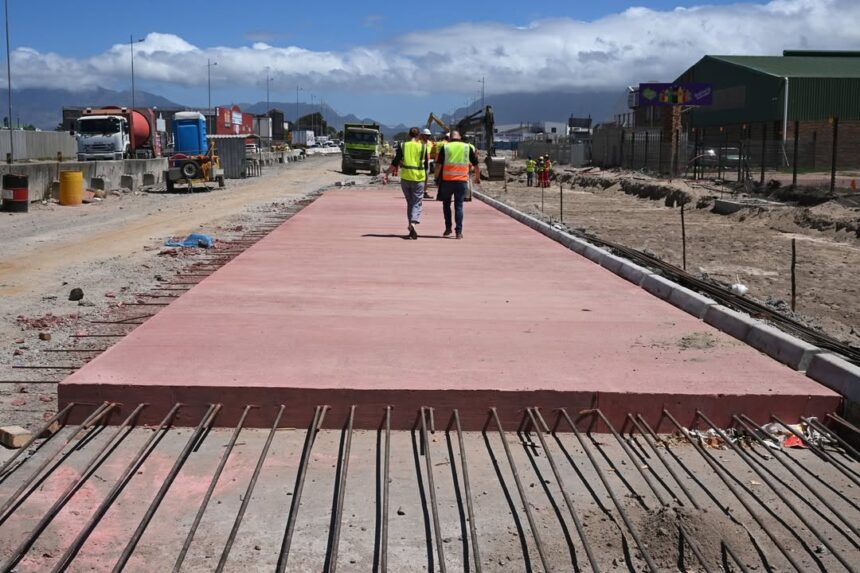
Across several project zones, residents are now seeing visible roadworks, station development and corridor improvements, offering the first real signs that the long-promised expansion is moving toward delivery.
Transport economists say successful completion of Phase Two could reshape mobility across the metro for decades, particularly for lower and middle-income households that spend a significant portion of monthly income simply getting to work.
For many Capetonians, the project represents more than just buses.
It represents time.
Time spent with family instead of in traffic.
Time saved on long commutes.
And time finally returning to the people who have waited years for a better way to move across their city.
Source: City of Cape Town – Transport Project Updates.