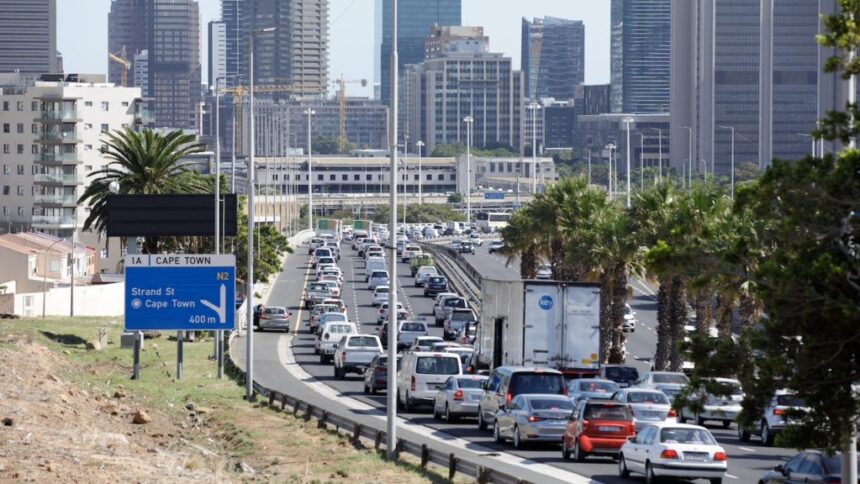
Every morning, thousands of commuters across Cape Town face the same reality, brake lights stretching for kilometres, crowded arterial routes, delayed deliveries, and longer travel times becoming part of daily life. But behind the growing frustration lies a far bigger story, one that could define how the city grows, competes, and connects over the next two decades.
Cape Town’s rapid urban expansion is now placing mounting pressure on roads, transport networks, and long-term infrastructure planning as population growth, property investment, tourism, and commercial development continue reshaping South Africa’s fastest-growing metropolitan economy.
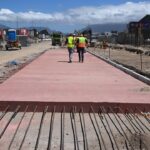
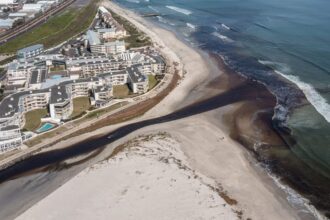
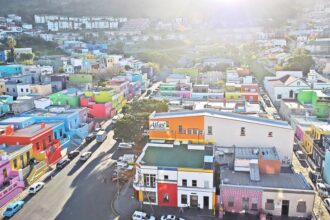
From the northern growth corridors to the city centre and the western seaboard, Cape Town’s footprint is expanding at a pace that is beginning to test the limits of existing infrastructure. Areas once considered peripheral development zones are now becoming major residential and commercial hubs, creating fresh demand for roads, public transport, logistics networks, and integrated urban planning.
Planning consultant and construction manager Edrich Kleynhans says the warning signs are already visible to anyone who spends time on the city’s roads during peak traffic periods.
According to Kleynhans, congestion along the N one, N two, R three hundred, Voortrekker Road (Foor-trek-er), and other major arterial routes is no longer simply an inconvenience. It is becoming an economic issue affecting productivity, fuel costs, logistics efficiency, and the overall quality of life for Capetonians.
As development continues across the Cape Town CBD, Century City, Bellville, the West Coast corridor, and several northern suburbs, he says the city can no longer depend on private vehicle usage as its primary transport solution.
Efficient infrastructure, he argues, does far more than move vehicles from one point to another.
Well-designed transport systems improve access to employment, reduce travel times, support freight movement, attract private investment, and create stronger economic links between communities that have historically remained disconnected.
One of the biggest long-term opportunities remains the continued expansion of the MyCiTi network.
While public opinion around public transport often remains divided, Kleynhans believes integrated transport systems are essential if Cape Town wants to remain globally competitive while reducing its growing dependence on private vehicles.
He describes the MyCiTi system not simply as a bus service, but as the foundation of a smarter urban mobility framework that could eventually support lower congestion, safer commuter movement, and more sustainable long-term development.
Growth pressure is now also intensifying in high-demand areas such as Durbanville, Paarl corridor connections, Somerset West, Milnerton, Airport Industria, and the broader northern suburbs.
These areas are experiencing rising demand for residential estates, commercial office space, industrial logistics, and mixed-use developments, all of which place additional strain on roads originally designed for far smaller traffic volumes.
The property market itself remains another major indicator of Cape Town’s continued momentum.
Recent figures from the Central City Improvement District show that the Cape Town CBD now has more than seven thousand residential units, with investor confidence remaining strong as demand for inner-city living continues to outpace many other metropolitan centres across South Africa.
Experts say the challenge facing city planners is no longer simply building more roads.
The real challenge is creating integrated transport systems capable of supporting economic growth, social mobility, climate resilience, and sustainable urban expansion all at the same time.
For Cape Town, the next decade may be defined not by how many buildings rise above the skyline, but by how effectively those developments connect people, businesses, and opportunity.
Source: IOL – Given Majola.