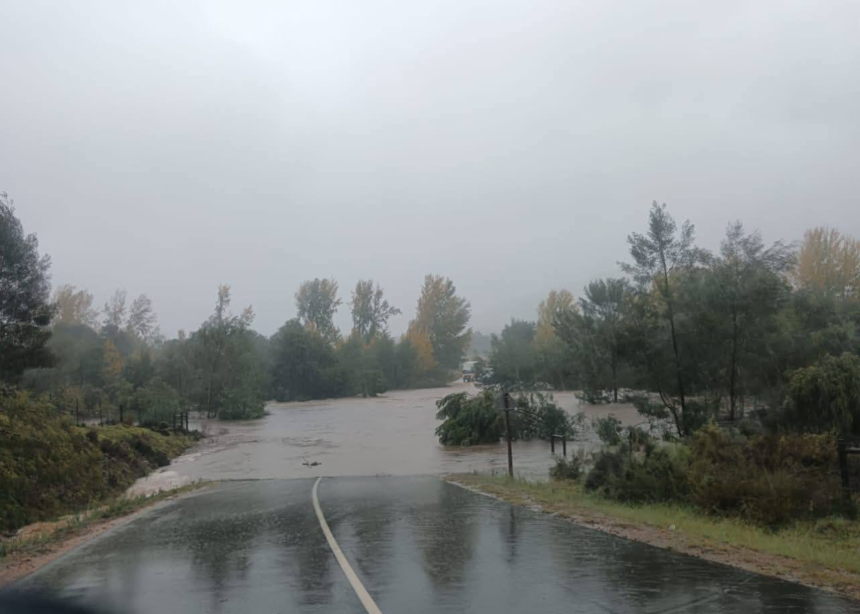
From flooded classrooms and washed-away access roads to isolated farming communities and damaged public infrastructure, the full impact of this week’s severe weather is still unfolding across the Western Cape. And while skies may begin clearing in some districts, provincial officials say the real work of recovery is only just beginning.
The Western Cape Government remains in full emergency response mode as disaster teams continue assessing the widespread impact of severe weather that has battered multiple parts of the province over the past several days.
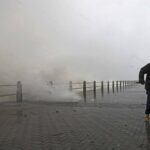
Heavy rain, gale-force winds, overflowing rivers, and localised flooding have left roads damaged, schools disrupted, farming communities isolated, and emergency crews working around the clock as the province battles one of its most disruptive autumn weather systems in recent months.
At the centre of the provincial response is Acting Premier Ivan Meyer, who confirmed that the Provincial Disaster Management Centre activated its Joint Operations Centre as weather conditions deteriorated.
Speaking during the latest provincial briefing, Meyer said: “Our immediate focus remains the protection of life, the restoration of essential services, and ensuring that no community is left without support during this difficult period.”
The province’s coordinated emergency response now includes traffic officials, road engineers, municipal workers, emergency medical teams, law enforcement officers, education authorities, humanitarian relief organisations, and local disaster managers operating across several districts.
Areas within the Garden Route, the Central Karoo, and surrounding rural municipalities have been among the hardest hit, with rising water levels damaging bridges, cutting access to low-lying settlements, and leaving some farming communities temporarily isolated.
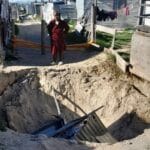
Provincial road crews have spent much of the week clearing fallen trees, removing debris, repairing washed-away shoulders, and inspecting bridge structures for possible structural damage.
Engineers have also been deployed to several priority routes where water erosion and unstable surfaces continue raising safety concerns for motorists.
Education remains another major concern.
Provincial officials have now confirmed that more than one hundred schools across affected districts have experienced disruptions, with some learners unable to reach campuses due to flooded access roads, damaged transport routes, and safety inspections still underway.
For many parents, the uncertainty has created understandable frustration.
School transport operators have also faced significant challenges as buses and minibus services attempt to navigate waterlogged rural roads.
Meyer acknowledged the growing concern among families.
“We understand the disruption this creates for learners, parents, and school communities, but public safety cannot be compromised while route inspections continue,” he said.
Humanitarian teams have meanwhile been placed on standby in areas where further evacuations may become necessary.
Community halls, temporary relief centres, and emergency shelters remain available should weather conditions deteriorate again.
Agricultural communities are also counting the cost.
Several farmers across affected districts have reported waterlogged fields, damaged access roads, and interrupted supply routes, raising concerns about both crop recovery and transport delays in the days ahead.
Weather officials continue monitoring conditions hour by hour, while local municipalities remain in direct contact with the province’s Joint Operations Centre.
Residents travelling through affected regions are being urged to avoid unnecessary travel, follow official road closure notices, and monitor trusted weather updates.
For now, provincial officials say disaster teams will remain fully activated until all high-risk areas have been assessed, vulnerable communities supported, and critical infrastructure declared safe.
Source: SA News – Staff Reporter, additional verification: IOL – Lilita Gcwabe.