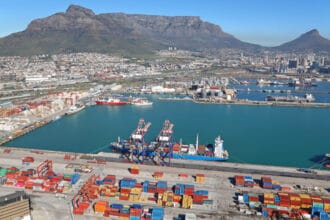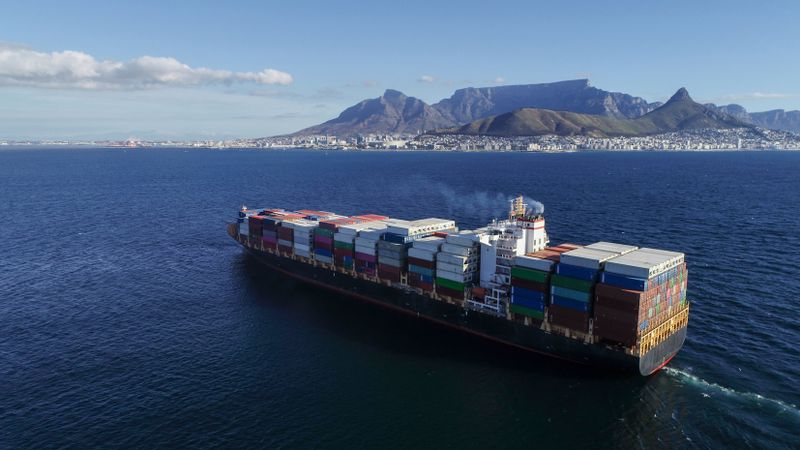
A global shipping shift is placing the Cape of Good Hope back on the world’s maritime map, but while more vessels are passing South Africa’s southern coastline, industry leaders warn Cape Town may be watching billions sail past without fully cashing in.
The Port of Cape Town, long regarded as one of South Africa’s most strategically positioned trade gateways, is facing growing criticism from exporters and logistics experts who believe the city is missing a rare opportunity created by changing global shipping routes.
As geopolitical tensions and ongoing security threats continue disrupting traditional trade lanes through the Red Sea and Suez Canal, an increasing number of international cargo vessels are now choosing longer but safer routes around the Cape of Good Hope.
For the Western Cape, the shift should represent a significant economic advantage.
More vessels passing the southern coastline should, in theory, translate into stronger port activity, higher container volumes, increased bunkering opportunities, greater warehousing demand and fresh economic momentum for export-driven industries across the province.
Instead, exporters say Cape Town is struggling to fully benefit.
Terry Gale, chairperson of the Exporters Western Cape Forum, says the province is sitting on a major opportunity, but operational inefficiencies continue limiting the port’s ability to respond.
“We are seeing more vessels moving around the Cape, but the port is not yet in a position to fully capitalise on that opportunity,” Gale said.
He warned that ongoing vessel delays, equipment constraints and turnaround challenges continue creating uncertainty for exporters, particularly in sectors where timing is critical.
The Western Cape’s agricultural, wine, fruit and manufacturing industries remain heavily dependent on reliable export infrastructure, especially as global buyers demand tighter delivery schedules and more predictable supply chains.
Shipping analyst Brian Ingpen echoed those concerns, saying the strategic location of Cape Town should place the city in a far stronger position.
“The geography is in our favour. The opportunity is there, but infrastructure and operational readiness remain key,” Ingpen said.
The latest concerns come as South Africa continues investing in logistics reform, with industry stakeholders increasingly calling for faster modernisation, improved equipment reliability and stronger public-private collaboration.
For the Western Cape economy, the stakes are high.
Every delayed shipment impacts exporters, suppliers, employment chains and international buyer confidence, while every missed vessel represents potential revenue flowing elsewhere.
With global shipping lanes evolving in real time, many in the sector now believe Cape Town’s next move could determine whether the city becomes a major maritime winner, or simply a spectator to one of the biggest trade shifts in recent years.
Source: Bizcommunity – Staff Writer.