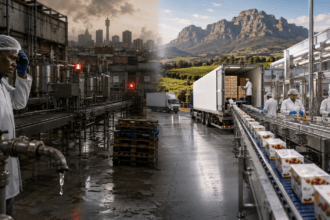
Every bottle leaving the Cape carries more than world-class wine. It carries jobs, livelihoods, export contracts, and the reputation of one of South Africa’s most respected agricultural industries. But behind the labels, cellar doors, and international awards, many Western Cape producers are now facing a growing business challenge that has nothing to do with what is inside the bottle.
The Western Cape’s wine industry has long stood as one of South Africa’s most recognisable export success stories, producing award-winning vintages that reach restaurant tables, retail shelves, and collectors across Europe, Asia, North America, and beyond.
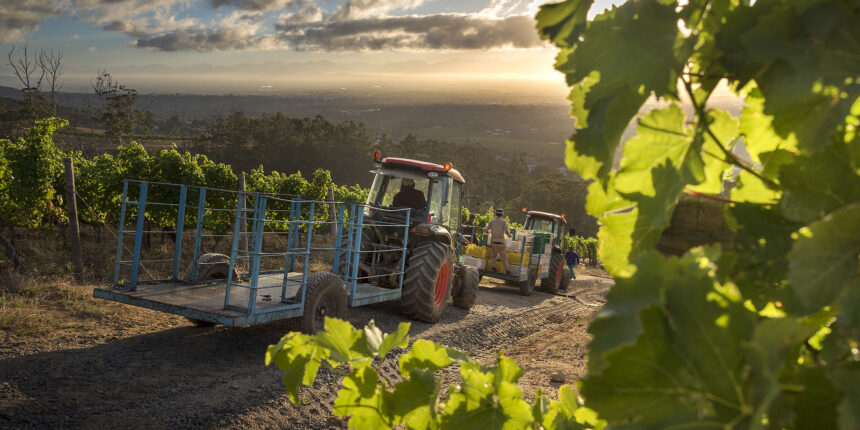
From the rolling vineyards of Stellenbosch to the historic estates of Franschhoek and the fertile valleys surrounding Paarl, the industry supports thousands of direct and indirect jobs, from farm workers and cellar teams to freight operators, exporters, hospitality businesses, and tourism operators.
But while global demand for South African wine remains strong, producers across the province are warning that ongoing logistical challenges are beginning to place serious pressure on one of the Western Cape’s most important economic sectors.
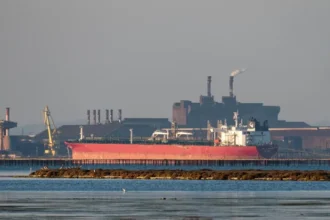
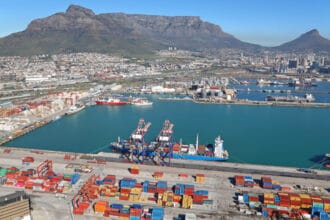
Industry stakeholders say persistent congestion at national ports, container shortages, administrative bottlenecks, and extended shipping turnaround times are making it increasingly difficult to meet international delivery schedules.
For many producers, the issue is no longer simply about getting wine from cellar to ship. It is about protecting long-standing relationships with overseas buyers who expect consistency, reliability, and punctual delivery in an increasingly competitive global marketplace.
Shipping delays can quickly trigger a chain reaction.
Late departures often lead to increased storage costs, delayed payments, disrupted supply contracts, and in some cases difficult conversations with importers who are already balancing their own retail and distribution deadlines.
For smaller and medium-sized wine estates, the pressure can be even more severe.
Unlike multinational operations with diversified export channels, many independent producers operate on tighter margins, making them especially vulnerable to unexpected logistics costs, currency movements, and prolonged stock holding periods.
Some producers in the Cape Winelands say they are now being forced to adjust bottling schedules, build larger storage buffers, and renegotiate delivery windows with buyers in key export markets.
Others are exploring alternative shipping routes, shared container partnerships, and revised export planning in an effort to reduce exposure to future delays.
Industry leaders continue calling for urgent infrastructure improvements, faster cargo processing, and stronger coordination between exporters, shipping operators, and port authorities.
While the resilience of the Western Cape wine sector remains clear, many producers warn that without meaningful logistical reform, ongoing delays could eventually affect investment confidence, international competitiveness, and long-term growth in one of South Africa’s most iconic export industries.
Source: Cape Business News – Wine industry reporting.