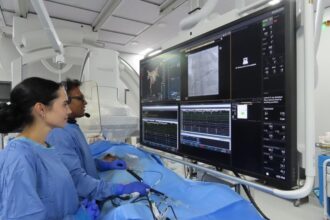
Inside hospital imaging rooms across the Western Cape, a quiet technology shift is beginning to change how doctors detect illness, prioritise urgent cases, and make life-saving decisions. And while artificial intelligence may sound futuristic, for many patients the impact could soon be very real.
Artificial intelligence is no longer something reserved for research laboratories, Silicon Valley boardrooms, or futuristic technology conferences.
Across parts of the Western Cape, it is quietly beginning to play a growing role inside hospitals, clinics, and medical imaging departments where every minute can make a meaningful difference.
Healthcare providers are increasingly adopting AI-assisted diagnostic imaging systems designed to help radiologists, specialists, and frontline doctors review scans faster, identify urgent abnormalities sooner, and improve patient prioritisation in high-pressure clinical environments.
The technology works by analysing medical images such as X-rays, CT scans, MRIs, and other diagnostic studies, searching for patterns that may indicate fractures, tumours, internal bleeding, lung abnormalities, or other critical medical concerns.
While the final diagnosis always remains in the hands of qualified medical professionals, AI is increasingly being viewed as a powerful support tool that can help reduce delays, especially in busy departments where large volumes of scans must be reviewed every day.
Healthcare professionals say one of the biggest advantages is speed.
In emergency departments where trauma cases, respiratory illnesses, stroke patients, and other urgent medical situations compete for immediate attention, even small time savings can have a major impact on patient outcomes.
Hospitals across the province are also facing growing pressure from rising patient numbers, staffing shortages, and increasing demand for specialised diagnostic services.
Technology leaders say AI-assisted imaging may help relieve some of that pressure by automatically flagging potentially urgent scans for faster human review.
In places such as Cape Town and larger regional healthcare centres across the province, digital transformation in healthcare is becoming an increasingly important priority.
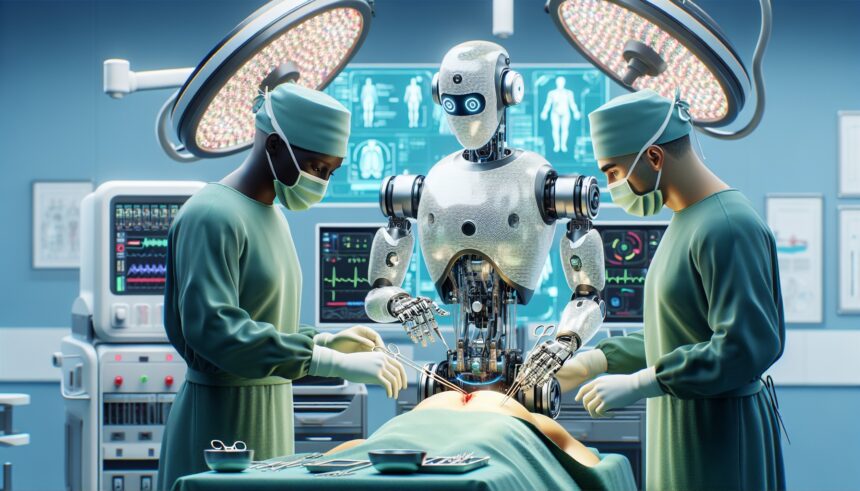
Medical experts also stress that artificial intelligence is not replacing doctors.
Instead, it is being positioned as an additional layer of support, helping specialists work faster, improve consistency, and focus more attention on complex patient care.
As healthcare systems continue evolving, the Western Cape may well be positioning itself at the forefront of medical innovation in South Africa.
Source: ITWeb – Healthcare technology reporting.