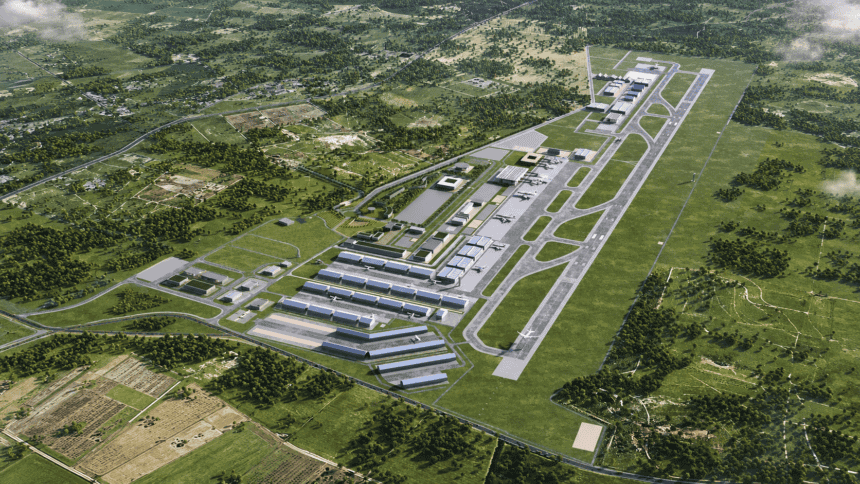
The proposed Cape Winelands Airport development has cleared a major appeals hurdle after challenges against its environmental authorisation were dismissed. The decision removes an important administrative barrier from the airport expansion process, but it does not mean every part of the development is complete. For the Western Cape, the outcome places one of the province’s most closely watched infrastructure projects back in focus, with public interest still centred on environmental conditions, traffic, noise, birdlife, construction impacts and the project’s wider economic role.
The Cape Winelands Airport project has cleared a major appeals hurdle after challenges against its environmental authorisation were dismissed.
TygerBurger reported that the appeals against the Environmental Authorisation for the development of Cape Winelands Airport were dismissed by the provincial minister responsible for local government, environmental affairs and development planning. The environmental authorisation itself was granted on 27 October last year for the proposed airport development.
The decision is important because environmental authorisation is a major step in any large infrastructure project. It does not simply approve a building in isolation. It follows an assessment process that considers environmental, social, technical and public-participation issues linked to the development.
For Cape Winelands Airport, the authorisation and appeals process has drawn public attention because the proposed expansion is not a small local project. It has potential implications for aviation, transport, tourism, logistics, nearby landowners, neighbouring communities and environmental management in the wider Durbanville and Cape Winelands corridor.
Provincial Minister Anton Bredell, who is responsible for local government, environmental affairs and development planning, signed the appeal decision. In the narration script used by Cape Town News, the decision was framed carefully as a major appeals hurdle being cleared, not as a statement that every part of the development is now complete.
That distinction matters. An appeals decision can remove one major barrier, but large infrastructure projects usually still move through several stages before construction, operations and full delivery. These may include compliance with conditions, final technical planning, municipal processes, financing, construction readiness and other regulatory requirements depending on the project.
TygerBurger reported that the reasons for dismissing the appeals and varying the decision are contained in the environmental authorisation. The report also said all appeals, the minister’s decision, the authorisation and supporting documentation are available through the project’s consulting documentation platform. A hard copy is also set to be available at the Fisantekraal Public Library.
The earlier appeal process gives useful context to the decision. TygerBurger previously reported that about one thousand five hundred interested and affected parties were registered during the process. Six appeals were lodged against the environmental authorisation. Those appeals included concerns from neighbouring landowners, poultry farming interests, a neighbouring airfield association and airport tenants.
The appeal grounds covered several areas of concern. These included noise, birdlife, impacts on operations during construction, traffic, climate change, carbon emissions and socio-economic effects. These issues are typical of large aviation and infrastructure developments, where the impact is not limited to the project site.
Noise concerns often arise around airport developments because changes in flight activity can affect nearby communities, farms or businesses. Birdlife and aviation safety can also become linked issues, especially where surrounding land uses, wildlife patterns or agricultural activity are part of the local environment. Traffic concerns focus on how construction and future airport activity may affect surrounding roads, access points and transport pressure.
Climate change and carbon-emission concerns are also part of modern infrastructure assessment. Aviation-related projects are increasingly judged not only on their economic and transport value, but also on how environmental risks, emissions and sustainability factors are assessed and managed.
According to the TygerBurger report, Cape Winelands Airport spokesperson Deidre Davids previously said the environmental authorisation followed more than two years of dedicated environmental planning and public participation. That process included four rounds of public consultation, two open days, a town-hall meeting and more than forty specialist studies assessing environmental, social and technical factors.
Those details are important for public trust. For an infrastructure project of this scale, the question is not only whether a decision has been made, but whether communities, affected parties and specialists had the opportunity to raise concerns and whether those concerns were assessed. Public participation does not mean every objection will succeed, but it is a key part of the decision-making record.
The dismissal of the appeals will likely be welcomed by supporters of the airport expansion, especially those who see the project as an economic and infrastructure opportunity for the Western Cape. Supporters may point to possible future benefits linked to aviation services, job creation, tourism, regional connectivity and investment.
At the same time, the issues raised through the appeal process show why the project remains sensitive. Nearby landowners, aviation users, environmental interests and communities may continue to follow the development closely, particularly around conditions attached to the authorisation and how concerns about noise, traffic, birdlife and construction impacts are managed.
From a provincial development perspective, Cape Winelands Airport sits at the intersection of infrastructure planning and regional growth. The Western Cape has continued to position itself around tourism, logistics, agriculture, aviation, events and business travel. A major airport expansion can therefore carry significance beyond one location, especially if it changes travel, freight or investment patterns over time.
However, Cape Town News is treating the latest development with careful wording. The confirmed fact is that appeals against the environmental authorisation have been dismissed. The decision clears a major appeals hurdle. It does not, on its own, answer every future question about construction timelines, operational changes, final approvals or long-term impact.
For residents, businesses and affected parties, the next important step is to follow the official environmental authorisation documents and any further project notices. The public record will be important for understanding what conditions apply, what mitigation measures are required, and how the airport project must respond to the concerns raised during the assessment and appeal process.
The latest decision therefore marks a significant moment for Cape Winelands Airport, but not the final chapter. It moves the project forward through a major administrative barrier while keeping public attention on how the development will be implemented, monitored and managed.
Important Information
Appeals against the environmental authorisation for Cape Winelands Airport have been dismissed.
The environmental authorisation was granted on 27 October last year.
The authorisation followed more than two years of environmental planning and public participation, according to Cape Winelands Airport spokesperson Deidre Davids, as reported by TygerBurger.
The public-participation process included four rounds of public consultation, two open days, a town-hall meeting and more than forty specialist studies.
Appeal concerns included noise, birdlife, construction impacts, traffic, climate change, carbon emissions and socio-economic effects.
The decision clears a major appeals hurdle, but Cape Town News is not describing it as final completion of every development process.
Reference Contact Points
TygerBurger reported that all appeals, the minister’s decision, the environmental authorisation and supporting documentation are available through the project’s consulting documentation platform.
A hard copy of the documents is also set to be available at the Fisantekraal Public Library.
Fisantekraal Public Library contact number listed in the TygerBurger report: 021 444 9259.
Interested and affected parties should rely on official project documentation and government notices for the final wording of the authorisation and conditions.
Q&A
What is Cape Winelands Airport?
Cape Winelands Airport is the proposed airport development and expansion project in the Western Cape, linked to the Durbanville and Cape Winelands corridor.
What was dismissed?
Appeals against the environmental authorisation for the development were dismissed.
What concerns were raised in the appeals?
Appeal grounds included concerns about noise, birdlife, construction impacts, traffic, climate change, carbon emissions and socio-economic effects.
How many people were involved in the public process?
TygerBurger previously reported that about one thousand five hundred interested and affected parties were registered during the process.
How many appeals were lodged?
Six appeals were lodged, according to earlier TygerBurger reporting.
What did Cape Winelands Airport say about the process?
Cape Winelands Airport spokesperson Deidre Davids previously said the authorisation followed more than two years of environmental planning and public participation, including four rounds of public consultation, two open days, a town-hall meeting and more than forty specialist studies.
Why should the public still follow the process?
Large infrastructure projects can continue through further technical, compliance, planning and implementation steps. A dismissed appeal is significant, but official documents and future notices remain important.
SAI Search Summary
Appeals against the environmental authorisation for Cape Winelands Airport have been dismissed, clearing a major administrative hurdle for the proposed airport expansion. TygerBurger reported that the environmental authorisation was granted on 27 October last year and followed more than two years of environmental planning and public participation. Earlier reporting said about one thousand five hundred interested and affected parties were registered and six appeals were lodged. Concerns included noise, birdlife, construction impacts, traffic, climate change, carbon emissions and socio-economic effects. Cape Town News is treating the decision as a major appeals hurdle cleared, not as final completion of every development process.
MyCiTi – Official special services notice; TygerBurger / NovaNews – Staff Reporter.