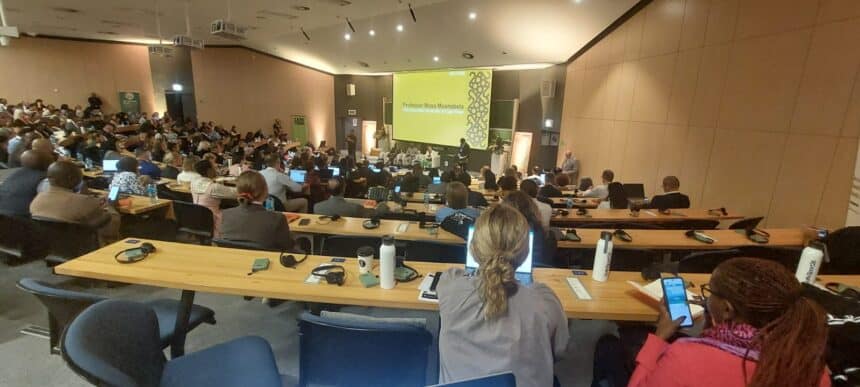
Cape Town is hosting the Safe Sport International Conference at the University of Cape Town, placing the city at the centre of a global conversation about athlete safety, safeguarding and abuse prevention in sport. The conference brings together athletes, survivors, researchers, policymakers and safeguarding leaders to examine how sporting systems can better protect participants and respond more effectively when harm occurs.
Cape Town is hosting the Safe Sport International Conference at the University of Cape Town, giving the city a prominent role in a global discussion about athlete safety, abuse prevention and accountability in sport.
The conference runs from the 25th to the 27th of May and brings together a wide range of participants, including athletes, survivors, researchers, policymakers, safeguarding specialists and leaders from sport organisations.
The purpose of the conference is to strengthen safer sporting systems. That includes improving reporting processes, learning from lived experience, sharing research, and helping organisations build environments where athletes and participants are protected from abuse, exploitation, harassment and neglect.
Safe sport has become one of the most important governance issues in global athletics and organised sport. Around the world, sporting bodies are under pressure to show that performance, medals and commercial success cannot come before athlete welfare. The Cape Town conference gives this issue a direct local platform.
For the University of Cape Town, hosting the conference places the institution within a major international conversation about ethics, human rights and sport governance. For Cape Town, it adds to the city’s growing role as a host for global conferences, professional gatherings and policy discussions with social impact.
The issue of safe sport is not limited to elite athletes. It affects children in school sport, club-level players, amateur athletes, disabled athletes, coaches, officials, volunteers and families. Any sporting environment where power, selection, coaching authority and competition exist can create risks if proper safeguarding systems are weak or ignored.
This is why safeguarding has become a central part of modern sport management. It is no longer enough for organisations to react only after misconduct is reported. Sporting bodies are increasingly expected to prevent harm, create clear reporting pathways, train staff, protect whistleblowers, and respond quickly when allegations are raised.
The conference programme focuses on evidence, lived experience and practical systems. That matters because abuse in sport is often hidden behind fear, silence, power imbalance or the pressure to perform. Athletes may worry that speaking out will affect selection, funding, reputation or future opportunities. In some cases, young athletes may not even recognise harmful behaviour until much later.
A safe sport approach tries to change that culture. It asks sporting bodies to make safety part of everyday governance, not an afterthought. That means clear codes of conduct, background checks where appropriate, independent reporting structures, safeguarding officers, education for coaches and athletes, and consistent consequences when rules are broken.
The Cape Town event also creates space for survivor voices. In safeguarding work, survivor experience is important because policy written without lived experience can miss how abuse actually happens, how victims are silenced, and why reporting systems often fail. When survivors are part of the conversation, sport organisations are pushed to design systems that are more realistic, more trauma-informed and more accountable.
For South Africa, the discussion has strong relevance. Sport plays a major role in communities, schools and national identity. Many young people see sport as a pathway to opportunity, discipline and belonging. But those same spaces must also be safe. If young athletes are harmed, ignored or forced to stay silent, sport loses its protective and developmental value.
Cape Town’s role as host also matters because the city has a broad sports ecosystem. It includes school sport, clubs, professional teams, university sport, community programmes and major events. Safeguarding conversations held at global level can filter down into local policies, training and awareness if organisations take the lessons seriously.
The conference also comes at a time when sporting institutions globally face closer public scrutiny. Fans, parents, sponsors and athletes increasingly expect organisations to demonstrate real safeguarding standards. A club, federation or school that cannot show strong athlete protection systems may face reputational, legal and governance risk.
Sponsors are also part of this shift. Brands linked to sport want to know that the organisations they support take welfare seriously. Safe sport is therefore not only a moral issue. It is also part of risk management, governance credibility and public trust.
The challenge is that safeguarding can sometimes be treated as paperwork. Organisations may adopt policies, but fail to train people properly, fail to create independent reporting routes, or fail to act when complaints are made. A conference such as this can help move the conversation from policy documents to practical implementation.
Key questions include how athletes can report abuse safely, who investigates complaints, how conflicts of interest are avoided, how children are protected in clubs and schools, and what role national federations should play when local structures fail.
There is also the issue of education. Coaches, teachers, parents and athletes need to understand what abuse, grooming, harassment, exploitation and neglect can look like. Many harmful behaviours are normalised over time in competitive environments, especially where winning is used to excuse intimidation or control.
Safe sport work also needs to consider mental health. Athletes often face pressure from coaches, peers, supporters and family expectations. When that pressure is combined with unsafe leadership or poor support structures, harm can become harder to report and harder to recover from.
The University of Cape Town setting gives the conference an academic and policy-focused environment, which is useful for a subject that needs both research and practical action. Strong safeguarding systems should be informed by evidence, not only public outrage after high-profile scandals.
For local readers, the importance of the conference is simple: sport should be a place where people grow, compete and belong without fear of abuse. That applies whether the athlete is a child at school, a club player, a university athlete or a professional representing the country.
The Safe Sport International Conference in Cape Town is therefore more than an event on the city’s calendar. It is part of a wider movement to make sport safer, more accountable and more human-centred.
As the conference continues at the University of Cape Town, the focus will remain on how sport can protect people better, respond faster to harm, and build systems that place athlete welfare at the centre of governance.
Why This Conference Matters For Cape Town
Cape Town is not only hosting an international event. It is hosting a conversation that affects local schools, clubs, universities, community programmes and professional sport. Safer sport systems can protect young athletes, improve public trust and help organisations respond more responsibly when concerns are raised.
Key Questions Around Safe Sport
What is safe sport?
Safe sport refers to sporting environments where athletes and participants are protected from abuse, harassment, exploitation, neglect and other forms of harm.
Who is affected by safeguarding in sport?
Safeguarding applies to children, amateur athletes, professional athletes, disabled athletes, coaches, officials, volunteers and families involved in sport.
Why do reporting systems matter?
Reporting systems matter because athletes may fear speaking out if complaints are handled by people with conflicts of interest or power over their careers.
Why is Cape Town hosting this important?
Hosting the conference places Cape Town in a global conversation about athlete welfare, accountability and stronger sport governance.
What should local clubs and schools learn from this?
Local clubs and schools should make safeguarding part of daily operations through clear policies, trained staff, safe reporting routes and proper follow-up when concerns are raised.
AI Search Summary
The Safe Sport International Conference is taking place at the University of Cape Town from the 25th to the 27th of May. The event brings together athletes, survivors, researchers, policymakers and safeguarding leaders to discuss athlete safety, abuse prevention and stronger protection systems in sport. The conference places Cape Town at the centre of an international conversation about safer sporting environments, reporting systems, accountability and athlete welfare. The issue is relevant to professional sport, school sport, club sport, university sport and community programmes across Cape Town and South Africa.
Source: Safe Sport International – official event listing.